
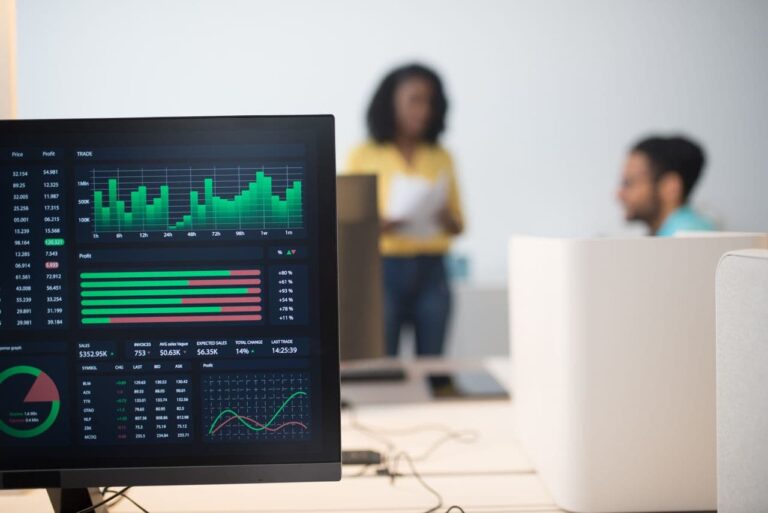
Artificial intelligence is transforming the investment industry, giving traders access to advanced tools that were once reserved for large financial institutions. From automated trading strategies to predictive analytics and real-time market insights, AI-powered platforms are helping investors make faster and more informed decisions.
As the demand for intelligent investing tools continues to grow, choosing the best AI stock trading platform has become an important decision for both beginner and experienced traders. Each platform offers unique features, pricing structures, and capabilities that cater to different investing styles.
In this guide, we’ll compare the best AI stock trading platforms, explain how they work, and help you determine which solution may be right for your investment goals.
What Is an AI Stock Trading Platform?
An AI stock trading platform uses artificial intelligence, machine learning, and data analysis to assist investors in evaluating market opportunities and executing trades.
These platforms can analyze massive amounts of information, including:
- Historical price data
- Market trends
- Company financials
- News sentiment
- Economic indicators
- Trading volume patterns
The goal is to identify opportunities and generate insights that may improve investment decision-making.
Some platforms provide recommendations, while others can fully automate trading strategies based on predefined rules.
Why Investors Are Using AI Trading Platforms
Traditional investing often requires extensive research and continuous market monitoring. AI technology helps simplify this process by analyzing data much faster than humans can.
Benefits of AI-powered trading platforms include:
- Faster market analysis
- Reduced emotional decision-making
- Automated trading capabilities
- Real-time alerts and notifications
- Enhanced portfolio management
- Data-driven investment insights
For many investors, AI tools serve as valuable decision-support systems rather than complete replacements for human judgment.
Key Features to Look For in an AI Trading Platform
Not all AI investing platforms offer the same capabilities. Before choosing a provider, consider the following features.
Predictive Analytics
One of the most popular AI features is predictive market analysis.
These systems evaluate historical and current data to identify potential trends and trading opportunities.
While no prediction tool is perfect, advanced analytics can provide useful insights for investors.
Automated Trading
Automated trading allows users to execute trades based on predefined conditions without manual intervention.
Benefits include:
- Faster execution
- Reduced emotional bias
- Consistent strategy implementation
- Continuous market monitoring
Automation can be especially useful for active traders who cannot monitor markets throughout the day.
Portfolio Optimization
Some AI platforms help investors build and manage diversified portfolios.
Portfolio optimization tools may:
- Analyze risk exposure
- Recommend asset allocations
- Suggest rebalancing opportunities
- Monitor performance
These features can support long-term wealth-building strategies.
Also Read: Small Business Tax Planning
Market Sentiment Analysis
AI systems can analyze news articles, earnings reports, and social media discussions to gauge market sentiment.
This information helps investors understand how public perception may influence stock prices.
Customizable Alerts
Real-time notifications can help traders respond quickly to changing market conditions.
Common alerts include:
- Price movements
- Volume spikes
- Earnings announcements
- Technical indicator signals
- Portfolio performance updates
Timely alerts allow investors to stay informed without constantly monitoring the market.
Types of AI Trading Platforms
AI investing tools generally fall into several categories.
AI-Powered Brokerage Platforms
Some online brokers integrate artificial intelligence directly into their trading platforms.
Features may include:
- Smart stock screening
- Portfolio recommendations
- Automated investing
- Personalized insights
These platforms are often ideal for beginner and intermediate investors.
Algorithmic Trading Platforms
Algorithmic trading platforms focus on automation and strategy execution.
Users can:
- Create custom trading rules
- Backtest strategies
- Automate transactions
- Analyze market data
These tools are generally more suitable for experienced traders.
Robo-Advisors
Robo-advisors use AI-driven algorithms to manage investment portfolios automatically.
Benefits include:
- Low management costs
- Diversified portfolios
- Automatic rebalancing
- Goal-based investing
Robo-advisors are popular among long-term investors seeking a hands-off approach.
AI Research Platforms
Research-focused platforms provide advanced analytics and stock screening tools.
These services help investors:
- Identify opportunities
- Evaluate risk
- Analyze company performance
- Generate investment ideas
Many traders use these tools alongside traditional brokerage accounts.
Advantages of AI Stock Trading Platforms
The growing popularity of AI investing tools is driven by several advantages.
Improved Data Processing
AI systems can analyze vast amounts of information in seconds.
This capability enables investors to uncover patterns that may be difficult to identify manually.
Reduced Emotional Trading
Fear and greed often influence investment decisions.
AI-driven strategies follow predefined rules and data models, helping reduce emotionally driven mistakes.
Enhanced Efficiency
Automated tools save time by handling research, monitoring, and trade execution.
Investors can focus on strategy rather than repetitive tasks.
Better Risk Management
Many platforms include risk analysis tools that help investors evaluate portfolio exposure and identify potential vulnerabilities.
Potential Limitations of AI Trading Platforms
Despite their benefits, AI tools are not perfect.
Investors should understand the potential risks.
No Guaranteed Results
Artificial intelligence can improve analysis but cannot predict markets with complete accuracy.
Unexpected economic events and market volatility can impact performance.
Overreliance on Technology
Investors should avoid blindly following AI-generated recommendations.
Human oversight remains important when evaluating investment opportunities.
Subscription Costs
Some advanced AI platforms charge monthly or annual fees.
Before subscribing, assess whether the potential value justifies the cost.
Learning Curve
Certain AI trading platforms offer sophisticated features that may require time to understand fully.
Beginners should prioritize user-friendly solutions with educational resources.
How to Choose the Best AI Stock Trading Platform
When comparing platforms, consider the following factors:
Investment Goals
Determine whether your focus is:
- Long-term investing
- Active trading
- Portfolio management
- Automated investing
- Market research
Different platforms excel in different areas.
Ease of Use
A clean interface and intuitive design can significantly improve the user experience.
Pricing Structure
Evaluate:
- Subscription fees
- Trading commissions
- Account minimums
- Additional feature costs
Understanding total costs helps avoid surprises.
Educational Resources
Platforms that provide tutorials, webinars, and learning materials can help users maximize the value of AI-powered tools.
Security and Reliability
Choose providers with strong security practices, including:
- Two-factor authentication
- Data encryption
- Account monitoring
- Regulatory compliance
Protecting financial information should always be a priority.
Final Thoughts
The best AI stock trading platforms combine powerful analytics, automation, portfolio management tools, and user-friendly experiences. Whether you’re a beginner seeking investment guidance or an experienced trader looking for advanced market insights, AI technology can provide valuable support.
However, artificial intelligence should be viewed as a tool rather than a guarantee of investment success. The most effective investors combine AI-driven insights with sound research, risk management, and long-term planning.
By carefully comparing features, pricing, ease of use, and investment objectives, you can select an AI stock trading platform that aligns with your financial goals and helps you make more informed investment decisions.
