
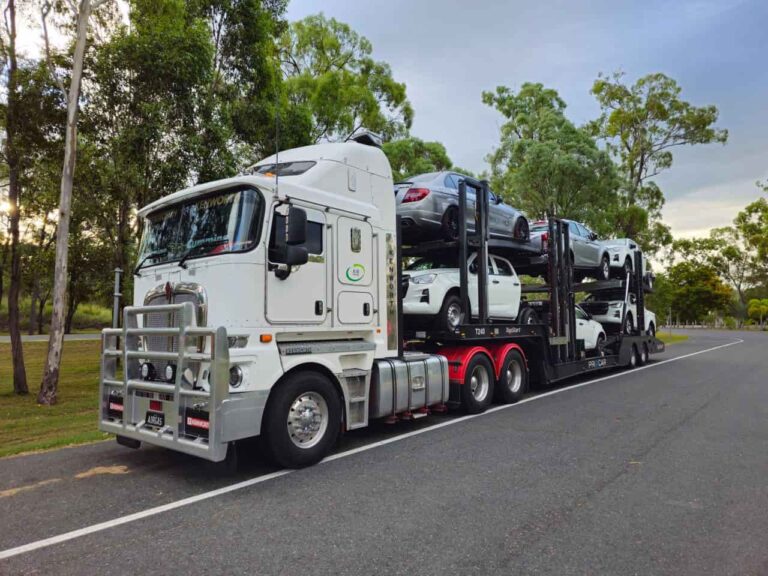
Operating a trucking company involves more than maintaining vehicles and transporting freight. Motor carriers must comply with federal and state insurance requirements designed to protect the public, cargo owners, drivers, and businesses from financial losses resulting from accidents and other transportation-related risks.
Understanding motor carrier insurance requirements is essential for maintaining compliance, securing operating authority, and protecting your company from potentially devastating liabilities. Whether you’re an owner-operator, startup trucking company, or established fleet operator, having the proper coverage is a critical part of running a successful transportation business.
What Is Motor Carrier Insurance?
Motor carrier insurance refers to the collection of insurance policies required or recommended for businesses that transport goods or passengers for compensation. These policies provide financial protection against accidents, property damage, injuries, cargo losses, and other risks associated with commercial transportation.
Motor carrier insurance requirements vary based on factors such as:
- Type of freight transported
- Vehicle weight
- Operating authority
- Interstate or intrastate operations
- Passenger transportation activities
- Hazardous materials transportation
Federal regulations establish minimum insurance standards for many commercial motor carriers operating across state lines.
Why Motor Carrier Insurance Is Important
Legal Compliance
Motor carriers must maintain required insurance coverage to obtain and keep operating authority.
Financial Protection
Insurance helps cover claims resulting from accidents, injuries, property damage, and cargo losses.
Business Continuity
Adequate coverage helps businesses recover from unexpected incidents without significant financial disruption.
Customer Requirements
Many shippers, brokers, and logistics partners require proof of insurance before awarding contracts.
Risk Management
Comprehensive coverage protects both company assets and long-term business stability.
Federal Motor Carrier Insurance Requirements
The Federal Motor Carrier Safety Administration (FMCSA) establishes insurance requirements for many interstate motor carriers.
Public Liability Insurance
Public liability insurance combines bodily injury and property damage coverage. This is one of the primary insurance requirements for interstate motor carriers.
Coverage minimums vary depending on:
- Type of cargo
- Vehicle classification
- Hazardous materials transportation
For many general freight carriers operating commercial vehicles, federal regulations require minimum liability coverage, while carriers transporting certain hazardous materials may face significantly higher limits.
Proof of Financial Responsibility
Motor carriers must maintain proof of insurance and comply with FMCSA filing requirements through their insurance providers.
These filings help demonstrate that the carrier maintains adequate financial responsibility to operate legally.
Cargo Insurance Requirements
While federal law generally does not require cargo insurance for all motor carriers, many brokers, shippers, and contractual agreements require it.
Cargo insurance helps protect goods being transported against:
- Theft
- Damage
- Fire
- Accidents
- Other covered losses
Common Motor Carrier Insurance Policies
Primary Liability Insurance
Primary liability insurance covers bodily injury and property damage caused to others when a commercial vehicle is involved in an accident.
This coverage is typically required before operating authority is granted.
Physical Damage Coverage
Physical damage insurance protects the truck itself against losses caused by:
- Collisions
- Fire
- Theft
- Vandalism
- Severe weather
This coverage is often required by lenders financing commercial vehicles.
Motor Truck Cargo Insurance
Cargo coverage protects freight while it is being transported.
Coverage limits depend on cargo type, customer requirements, and business operations.
General Liability Insurance
General liability insurance protects against claims unrelated to vehicle operation, such as incidents occurring at business premises.
Workers’ Compensation Insurance
Businesses with employees may be required to carry workers’ compensation coverage under state laws.
This coverage helps pay medical expenses and lost wages resulting from work-related injuries.
Non-Trucking Liability Insurance
Owner-operators leased to motor carriers often purchase non-trucking liability insurance for personal use of their trucks when not operating under dispatch.
Trailer Interchange Insurance
This coverage protects trailers owned by other parties while they are under your control through interchange agreements.
Also Read: How to get auto Insurance after Accident
Insurance Requirements for Different Types of Motor Carriers
General Freight Carriers
General freight carriers typically need primary liability insurance and often carry cargo and physical damage coverage.
Hazardous Materials Carriers
Companies transporting hazardous materials usually face higher insurance requirements due to increased risk exposure.
Passenger Carriers
Passenger transportation businesses often require substantially higher liability limits because of potential injury claims involving multiple passengers.
Owner-Operators
Owner-operators may need a combination of liability, physical damage, cargo, and occupational accident coverage depending on their operating structure.
Factors Affecting Motor Carrier Insurance Costs
Several factors influence insurance premiums:
Driving Records
Drivers with clean safety records generally qualify for lower rates.
Fleet Size
Larger fleets may qualify for certain discounts but also face increased overall risk exposure.
Cargo Type
Higher-risk cargo often results in higher premiums.
Operating Radius
Long-haul operations typically involve different risk profiles than local routes.
Claims History
Frequent claims can significantly increase insurance costs.
Vehicle Value
Newer and more expensive equipment often costs more to insure.
How to Stay Compliant with Motor Carrier Insurance Requirements
Review Coverage Regularly
Business growth, new contracts, and changing operations may require adjustments to insurance limits.
Maintain Accurate Records
Keep insurance certificates, policy documents, and regulatory filings organized and accessible.
Work with Transportation Insurance Specialists
Experienced commercial transportation insurance providers can help ensure compliance with applicable regulations.
Monitor Regulatory Changes
Federal and state insurance requirements can change over time, making regular reviews important.
Verify Contract Requirements
Many customers and freight brokers require coverage levels above legal minimums.
Common Compliance Mistakes to Avoid
Motor carriers should avoid these common errors:
- Operating with insufficient coverage
- Allowing policies to lapse
- Failing to update insurance filings
- Ignoring shipper insurance requirements
- Overlooking state-specific regulations
- Choosing coverage solely based on price
These mistakes can lead to fines, operating authority issues, and significant financial exposure.
Conclusion
Understanding motor carrier insurance requirements is essential for maintaining legal compliance and protecting your trucking business from financial risk. From primary liability coverage to cargo insurance and physical damage protection, the right insurance program supports safe and sustainable operations.
By evaluating your business needs, reviewing regulatory obligations, and working with experienced insurance professionals, you can build a comprehensive insurance strategy that protects your company, drivers, equipment, and customers while supporting long-term growth.
