
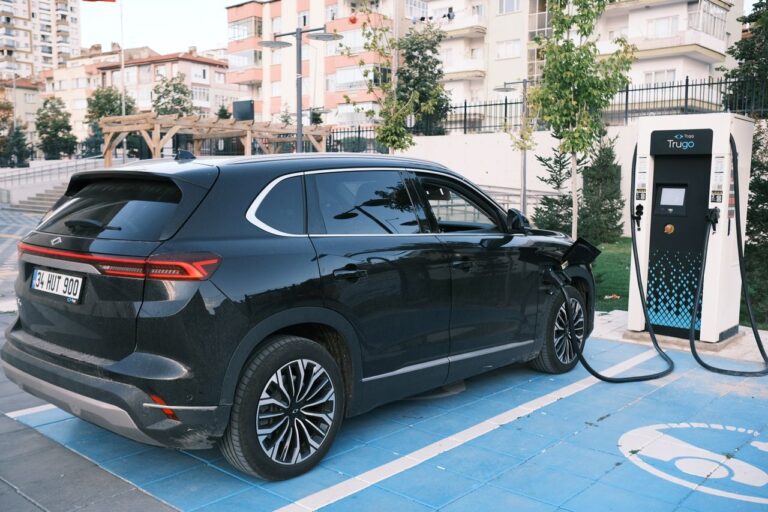
As electric vehicles (EVs) continue to gain popularity worldwide, more consumers are exploring affordable ways to finance their purchases. While EVs often offer long-term savings through reduced fuel and maintenance costs, the upfront purchase price can be higher than traditional gasoline-powered vehicles. Understanding the available electric vehicle financing options can help buyers make informed decisions and secure the best deal.
In this comprehensive guide, we’ll explore the most popular EV financing methods, their advantages, and key factors to consider before signing an agreement.
Why Electric Vehicle Financing Matters
Electric vehicles represent a significant investment. Whether you’re purchasing your first EV or upgrading to a newer model, financing can make ownership more accessible. The right financing option can lower monthly payments, reduce overall borrowing costs, and help you maximize available incentives.
With increasing competition among lenders and automakers, buyers now have more financing choices than ever before.
Also Read: Used Car Financing for First Time Buyer
Common Electric Vehicle Financing Options
1. Traditional Auto Loans
A traditional auto loan remains one of the most common ways to finance an electric vehicle. Banks, credit unions, and online lenders offer loans with fixed interest rates and repayment terms.
Benefits of Auto Loans
- Ownership begins immediately after purchase.
- Fixed monthly payments provide predictability.
- No mileage restrictions.
- Ability to build vehicle equity over time.
Considerations
- Larger down payments may reduce interest costs.
- Credit score significantly impacts loan rates.
- Longer loan terms may result in higher total interest payments.
2. Electric Vehicle Leasing
Leasing allows drivers to use an EV for a specific period, typically two to four years, without purchasing it outright.
Benefits of Leasing
- Lower monthly payments compared to purchasing.
- Access to newer EV technology more frequently.
- Reduced maintenance concerns during lease periods.
- Potential eligibility for manufacturer incentives.
Considerations
- Mileage limits may apply.
- No ownership equity at lease end.
- Early termination fees can be expensive.
Leasing is often ideal for drivers who enjoy upgrading vehicles regularly and want access to the latest electric vehicle innovations.
3. Manufacturer Financing Programs
Many automakers offer financing directly through their financial services divisions. These programs often include promotional interest rates, cashback offers, or special EV incentives.
Benefits
- Competitive financing rates.
- Streamlined application process.
- Exclusive manufacturer promotions.
- Flexible payment options.
Buyers should compare manufacturer financing offers against independent lenders to ensure they receive the most favorable terms.
4. Credit Union EV Loans
Credit unions frequently offer lower interest rates than traditional banks. Many also provide specialized green vehicle loan programs designed specifically for electric and hybrid vehicles.
Benefits
- Lower interest rates.
- Personalized customer service.
- Flexible loan structures.
- Potential member discounts.
Credit union financing can be particularly beneficial for buyers with strong credit profiles.
5. Home Equity Loans or Lines of Credit
Some homeowners use home equity financing to purchase an electric vehicle.
Benefits
- Potentially lower interest rates.
- Larger borrowing limits.
- Flexible repayment terms.
Risks
- Home serves as collateral.
- Missed payments can affect home ownership.
- Closing costs may apply.
This option should be considered carefully due to the associated financial risks.
Government Incentives and Tax Credits
One of the biggest advantages of purchasing an electric vehicle is access to government incentives.
Depending on your location, incentives may include:
- Federal tax credits.
- State or provincial rebates.
- Reduced registration fees.
- Utility company incentives.
- Charging station installation rebates.
These incentives can significantly lower the overall cost of ownership and should be factored into financing decisions.
Factors That Affect EV Financing Approval
Credit Score
A higher credit score typically results in lower interest rates and better loan terms.
Down Payment
Making a larger down payment can:
- Reduce monthly payments.
- Lower total interest costs.
- Improve approval chances.
Loan Term Length
Common loan terms range from 36 to 84 months. While longer terms reduce monthly payments, they often increase total interest paid over the life of the loan.
Vehicle Value
Lenders evaluate the vehicle’s market value when determining financing eligibility and loan amounts.
Tips for Securing the Best Electric Vehicle Financing
Compare Multiple Lenders
Obtain quotes from:
- Banks
- Credit unions
- Online lenders
- Manufacturer financing programs
Comparing offers helps identify the lowest rates and most favorable terms.
Improve Your Credit Before Applying
Paying down debt and maintaining on-time payments can improve your credit score and qualify you for better financing options.
Understand Total Ownership Costs
Consider:
- Insurance expenses
- Charging costs
- Maintenance savings
- Battery warranty coverage
These factors influence your overall affordability.
Look for EV-Specific Incentives
Many lenders and manufacturers provide green financing programs that offer reduced rates for electric vehicle buyers.
Electric Vehicle Financing Trends in 2026
As EV adoption accelerates, lenders are developing more flexible financing products. Subscription-based ownership models, battery-inclusive financing packages, and green loan programs are becoming increasingly common.
Financial institutions also recognize the growing demand for sustainable transportation, leading to expanded lending options and competitive rates for qualified buyers.
Conclusion
Electric vehicle financing options have evolved significantly, making EV ownership more accessible than ever. Whether you choose a traditional auto loan, lease, manufacturer financing, or a specialized green loan, understanding your options can help you secure favorable terms and maximize savings.
Before committing to a financing agreement, compare lenders, review incentives, and calculate total ownership costs. By taking a strategic approach, you can enjoy the benefits of electric vehicle ownership while maintaining financial flexibility.
