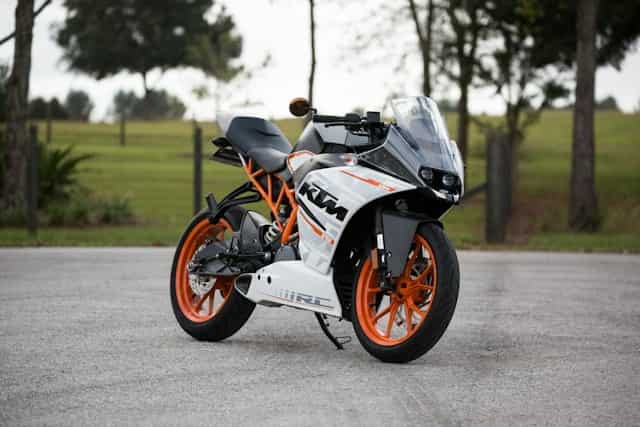
Whether you are buying your first cruiser or upgrading to a touring bike, financing can make the purchase easier on your budget. But motorcycle loans are not identical to car loans. Rates are often higher, terms are shorter and lenders look more closely at your credit. This guide covers how motorcycle financing works, what rates to expect in 2026, where to borrow and the steps that help you get approved at the lowest possible cost.
How Motorcycle Loans Work
A motorcycle loan is an installment loan used to buy a new or used bike. You borrow a fixed amount, then repay it in monthly payments over a set term, usually 24 to 72 months. Because many lenders treat motorcycles as recreational purchases rather than essential transportation, they price them as slightly riskier than cars, which is why rates tend to run higher.
Secured Motorcycle Loans
With a secured loan, the motorcycle serves as collateral and the lender holds a lien on the title. Secured loans usually offer lower interest rates, but the lender can repossess the bike if you stop paying.
Unsecured Personal Loans
A personal loan is not tied to the bike, so the lender cannot repossess it if you default, although your credit will take a serious hit. Personal loans are handy for private-party sales and older bikes that some lenders will not finance, but they typically carry higher rates and shorter terms.
Motorcycle Loan Rates in 2026
Your credit score is the biggest factor in the rate you receive. Here are typical 2026 ranges:
| Credit score | Typical APR range |
|---|---|
| 740 and above (excellent) | About 6% to 9% |
| 670 to 739 (good) | About 9% to 14% |
| 580 to 669 (fair) | About 15% to 25% |
| Below 580 (poor) | 25% or higher, if approved |
Other factors include the loan term, the bike’s age, whether it is new or used and the size of your down payment. Used motorcycles and longer terms usually come with higher rates.
How Your Rate Affects the Total Cost
Consider a $15,000 motorcycle loan over 60 months. At 8% APR, the payment is about $304 per month and total interest is roughly $3,249. At 14% APR, the payment rises to about $349 and total interest climbs to around $5,941. That difference of more than $2,600 is why improving your credit before applying, or shopping harder for a rate, pays off.
Stretching the same $15,000 at 8% to 72 months drops the payment to about $263, but total interest grows to roughly $3,936. Shorter terms save money as long as the payment fits your budget.
Requirements to Qualify for a Motorcycle Loan
- Credit score: Many lenders look for at least a 650 to 670 score for competitive rates, though some specialize in lower scores.
- Income and employment: Lenders want proof that you can handle the payment, usually through pay stubs or tax returns.
- Debt-to-income ratio: A lower ratio signals that you have room in your budget for a new loan.
- Down payment: Putting 10% to 20% down lowers your rate, your payment and the risk of owing more than the bike is worth.
- Motorcycle license and insurance: Most lenders require a valid motorcycle endorsement and full coverage insurance for as long as the loan is active.
Where to Get Motorcycle Financing
Credit Unions
Credit unions often offer the lowest rates on both new and used bikes, along with flexible terms for members.
Banks
Your current bank may offer a relationship discount, though some banks do not finance motorcycles at all.
Online Lenders
Online lenders provide fast decisions and are often a good fit for personal loans or private-party purchases.
Dealership and Manufacturer Financing
Manufacturers sometimes run promotional rates on new models for buyers with excellent credit. Read the fine print, since low promotional rates can disappear after an introductory period or require giving up a cash rebate.
How to Get Approved at the Best Rate
- Check your credit first: Review your reports, dispute errors and pay down credit card balances to improve your utilization.
- Set a realistic budget: Include insurance, riding gear, registration and maintenance, not just the monthly payment.
- Get pre-approved: Pre-approval shows your rate and borrowing limit before you visit a dealer, which strengthens your negotiating position. The process is similar to the one in our guide on how to get pre-approved for a car loan.
- Compare at least three offers: Focus on APR and total cost, not just the monthly payment.
- Negotiate the bike price separately: Settle on the purchase price before discussing financing so a low payment does not hide a high price.
- Skip unnecessary add-ons: Extended warranties and protection packages can add thousands to the loan.
For a neutral overview of how to compare vehicle financing offers and spot common dealer tactics, the Consumer Financial Protection Bureau’s auto loan resources are worth a read before you sign.
Financing a Used Motorcycle
Used bikes cost less upfront, but financing can be trickier. Many lenders set limits on the bike’s age or mileage, and rates are usually a bit higher than for new models. If you are buying from a private seller, get the title checked for liens, confirm the VIN matches the paperwork and consider a pre-purchase inspection by a trusted mechanic.
Frequently Asked Questions
What credit score do I need for a motorcycle loan?
Many lenders approve scores in the mid-600s, but a score above 700 usually unlocks noticeably lower rates.
Can I get a motorcycle loan with no down payment?
Some lenders offer zero-down financing to strong applicants, but putting money down reduces interest and protects you from negative equity.
Is it better to use a personal loan or a motorcycle loan?
A secured motorcycle loan typically has a lower rate. A personal loan can make sense for private sales, older bikes or if you prefer not to have a lien on the title.
Final Thoughts
Motorcycle loans can put you on the road sooner, but the rate you lock in has a big impact on what the bike ultimately costs. Strengthen your credit, budget for the full cost of riding, get pre-approved and compare several lenders before you sign. With a little preparation, you can enjoy your new ride without overpaying for it.
Rates shown are general estimates and vary by lender and borrower. This article is for informational purposes and is not financial advice.
