
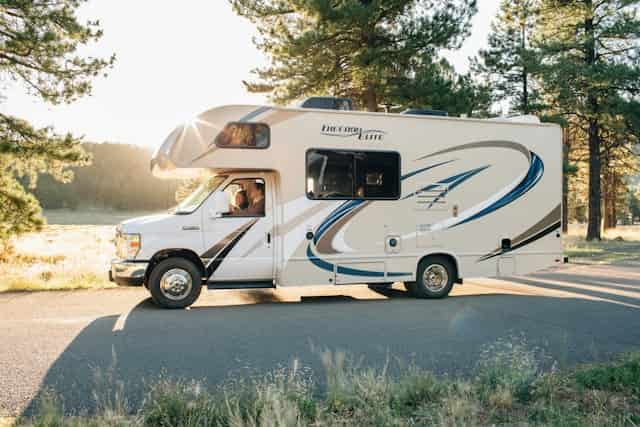
Buying a recreational vehicle is often the start of years of road trips, but it is also one of the largest purchases many families make outside of a home. Because new motorhomes can cost anywhere from $60,000 to well over $200,000, most buyers rely on RV loans to spread the cost over time. This guide explains how RV financing works, what rates and terms to expect in 2026, and how to avoid the mistakes that leave owners owing more than their rig is worth.
How RV Loans Work
An RV loan is an installment loan used to buy a motorhome, camper van, fifth wheel or travel trailer. In most cases, the RV itself serves as collateral, similar to a car loan. You make fixed monthly payments for a set term, and the lender holds a lien on the title until the loan is paid off.
What makes RV financing different is the length of the loan. While auto loans usually top out around 72 to 84 months, RV loans for larger amounts commonly run 10, 15 or even 20 years. That keeps the monthly payment lower, but it dramatically increases how much interest you pay.
Secured vs. Unsecured RV Loans
- Secured RV loans use the vehicle as collateral. They offer lower rates and longer terms and are the most common choice.
- Unsecured RV loans are essentially personal loans. They do not put a lien on the RV, but rates are higher and terms are usually capped at five to seven years, so they work best for smaller, used trailers.
Current RV Loan Rates and Terms
In 2026, most well-qualified borrowers see RV loan rates somewhere between about 6% and 10% APR, while borrowers with fair credit or older units may see rates in the low to mid teens. Your exact rate depends on:
- Credit score: Scores of 720 or higher typically unlock the best offers.
- Loan term: Shorter terms carry lower rates.
- RV age and type: New Class A, B and C motorhomes generally get better rates than older towables.
- Loan amount: Larger loans often qualify for lower rates and longer terms.
- Down payment: More money down means less risk for the lender.
How Loan Term Changes Your Total Cost
The table below shows a $60,000 RV loan at 7.5% APR over three different terms. Notice how stretching the loan cuts the payment but more than doubles the interest.
| Term | Monthly payment | Total interest |
|---|---|---|
| 10 years (120 months) | $712 | $25,465 |
| 15 years (180 months) | $556 | $40,117 |
| 20 years (240 months) | $483 | $56,005 |
Choose the shortest term you can comfortably afford. If you take a longer term for flexibility, make sure the loan has no prepayment penalty so you can pay extra when your budget allows.
What Lenders Look for When You Apply
RV lenders are stricter than many auto lenders because RVs are discretionary purchases that depreciate quickly. Expect them to review:
- Credit score and history: Many lenders want at least a 660 to 700 score, with no recent late payments.
- Debt-to-income ratio: Most prefer total monthly debts, including the new RV payment, under about 40% to 43% of gross income. If you are not sure where you stand, learn how to calculate your debt-to-income ratio before applying.
- Down payment: 10% to 20% is standard, and some lenders require more on used units.
- Income and job stability: Larger loans often require tax returns and pay stubs, and self-employed buyers should be ready with two years of documentation.
- The RV itself: Lenders check age, mileage, condition and value using industry pricing guides.
Before you shop, pull your free reports from AnnualCreditReport.com and dispute any errors. Fixing a single mistake can move you into a better rate tier.
Where to Get an RV Loan
- Credit unions: Often offer the lowest rates, especially for members with good credit.
- Banks: Competitive for existing customers, though some cap terms or require higher minimum loan amounts.
- Specialty RV and marine lenders: Offer the longest terms and finance high-dollar motorhomes, but usually focus on newer units.
- Dealer financing: Convenient and occasionally promotional, but dealers may mark up the rate. Always arrive with an outside offer to compare.
- Online lenders: Quick unsecured loans that work well for smaller purchases or private-party sales.
Smart Tips to Save Money on RV Financing
Get Prequalified With Several Lenders
Prequalification uses a soft credit check and shows your likely rate without affecting your score. Compare at least three offers, focusing on APR, term and fees rather than just the monthly payment.
Put More Money Down
RVs can lose a large share of their value in the first few years. A down payment of 20% or more helps prevent negative equity, where you owe more than the RV is worth.
Budget for the Full Cost of Ownership
Your loan payment is only part of the picture. Plan for RV insurance, campground fees, storage, fuel, maintenance and tires. Many lenders require comprehensive and collision coverage for as long as the loan is outstanding.
Ask About Tax Benefits
If your RV has sleeping, cooking and toilet facilities, it may qualify as a second home, which can make the loan interest deductible if you itemize. Rules are specific, so confirm your situation with a tax professional.
Avoid Rolling Extras Into the Loan
Dealers often offer extended warranties, paint protection and other add-ons. Financing them for 15 or 20 years means paying interest on items that may wear out long before the loan ends.
Frequently Asked Questions
Can I get an RV loan with bad credit?
It is possible through some specialty lenders, but expect higher rates and larger down payment requirements. A co-signer with strong credit or waiting six to twelve months while improving your score can save thousands.
How long can you finance an RV?
Terms commonly range from 5 to 20 years. The longest terms are usually reserved for newer units and larger loan amounts.
Is it better to pay cash for an RV?
Paying cash avoids interest entirely, but it can drain your emergency savings. Many buyers choose a moderate down payment and a shorter loan to balance both goals.
Final Thoughts
RV loans make the dream of life on the road reachable, but the long terms and fast depreciation mean the financing decision matters as much as the floor plan. Check your credit, keep your debt-to-income ratio in line, compare multiple lenders and choose the shortest term that fits your budget. Done right, your RV will be a source of adventure rather than a long-term financial burden.
Rates and terms shown are estimates for illustration and vary by lender, credit profile and vehicle. This article is not financial advice.
