
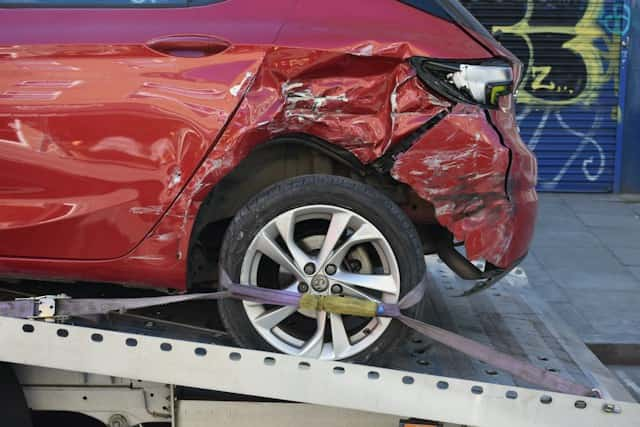
A hit-and-run leaves you with damage, possible injuries, and no one to hold responsible on the spot. It’s frustrating and frightening, but you’re not out of options. Your own auto policy may cover much of the cost, and quick action makes a big difference. This guide explains how to file a hit and run claim, which coverages apply, and how to protect your right to compensation.
What to Do Immediately After a Hit-and-Run
Stay Safe and Call for Help
Move to a safe spot if you can and check yourself and passengers for injuries. Call 911 if anyone is hurt or the vehicle is blocking traffic. Don’t chase the other driver. It’s dangerous and can create legal problems for you.
Write Down Everything You Remember
Memories fade fast. Note the other car’s license plate, even a partial one, along with its make, model, color, and any visible damage. Write down which direction it went, the time, and the exact location.
Collect Evidence
- Photograph your vehicle, debris, skid marks, and the surrounding area.
- Get names and phone numbers of witnesses.
- Look for security cameras at nearby businesses, homes, or traffic lights, and ask owners to save the footage.
- If you have a dashcam, save the recording right away.
Report the Accident to the Police
File a police report as soon as possible. Many insurance policies require one for hit-and-run claims, and some set short deadlines, sometimes within 24 hours. The report number will be one of the first things your insurer asks for, and it gives police a chance to find the driver.
Which Insurance Coverages Pay for a Hit-and-Run?
Because the at-fault driver can’t be identified, you’ll usually file through your own policy. These coverages may apply:
- Uninsured motorist bodily injury (UMBI): Pays for injuries to you and your passengers. Most states treat an unidentified driver as uninsured for this coverage.
- Uninsured motorist property damage (UMPD): Pays for vehicle damage in some states, but certain states exclude hit-and-runs when the driver isn’t identified.
- Collision: Pays to repair your car regardless of who caused the crash, minus your deductible.
- Personal injury protection (PIP) or medical payments (MedPay): Covers medical bills and, with PIP, some lost wages.
Uninsured motorist coverage exists because a meaningful share of drivers have no insurance at all. The Insurance Information Institute explains how uninsured motorist coverage works and which states require it. If the driver who hit you is later found but has no policy, our guide on filing an uninsured driver accident claim covers your next steps.
How to File a Hit and Run Claim: Step by Step
1. Contact Your Insurer Promptly
Call your insurer or use its app as soon as you’re safe. Most policies require prompt notice, and waiting can weaken your claim.
2. Share the Police Report Number
Give the adjuster the report number and the name of the responding officer.
3. Provide Your Evidence
Send your photos, witness contacts, video footage, and written notes. The more detail you provide, the easier it is for the adjuster to verify that another vehicle caused the damage.
4. Get the Damage Inspected
Your insurer may send an adjuster or ask you to visit an approved repair shop. You can usually choose your own shop, but confirm the estimate process first.
5. Document Injuries and Expenses
See a doctor even if you feel fine, since some injuries appear later. Keep records of medical bills, prescriptions, towing, rental cars, and missed work.
6. Follow Up in Writing
Confirm important conversations by email and keep a claim file with dates, names, and reference numbers.
Will a Hit-and-Run Claim Raise My Premium?
Since you weren’t at fault, many insurers won’t surcharge you for a hit-and-run claim, and some states limit rate increases for not-at-fault accidents. Rules vary, so ask your insurer how the claim will be treated before you file.
What If Your Parked Car Was Hit?
If you return to find damage on a parked car, the steps are the same: photograph everything, look for witnesses and cameras, and file a police report. Collision coverage typically pays for the repairs. Whether UMPD applies depends on your state and policy wording.
What Happens If Police Find the Driver?
If the driver is identified, your claim can move to their liability insurance. Your insurer may pursue them to recover what it paid, a process called subrogation, and you may get your deductible back.
When to Talk to a Lawyer
Consider legal help if you suffered serious injuries, your claim is denied, or the settlement offer doesn’t cover your costs. Many accident attorneys offer free consultations and work on contingency.
Mistakes to Avoid
- Delaying the police report or the insurance claim.
- Guessing in recorded statements. If you don’t know something, say so.
- Settling injury claims too early, before you know the full extent of treatment.
- Repairing the car before inspection without your insurer’s approval.
Frequently Asked Questions
Do I need uninsured motorist coverage for a hit-and-run?
For injuries, it’s often your main protection. For vehicle damage, collision coverage is the most reliable option in most states.
Is there a deductible for a hit-and-run claim?
Usually yes for collision and UMPD. Injury coverages often have no deductible.
How long do I have to file?
It depends on your policy and state law, so report the accident immediately to be safe.
Final Thoughts
Knowing how to file a hit and run claim helps you recover faster after a stressful event. Gather evidence, report to the police right away, notify your insurer promptly, and keep detailed records. Then review your policy to make sure you carry uninsured motorist and collision coverage before you ever need them again.
