
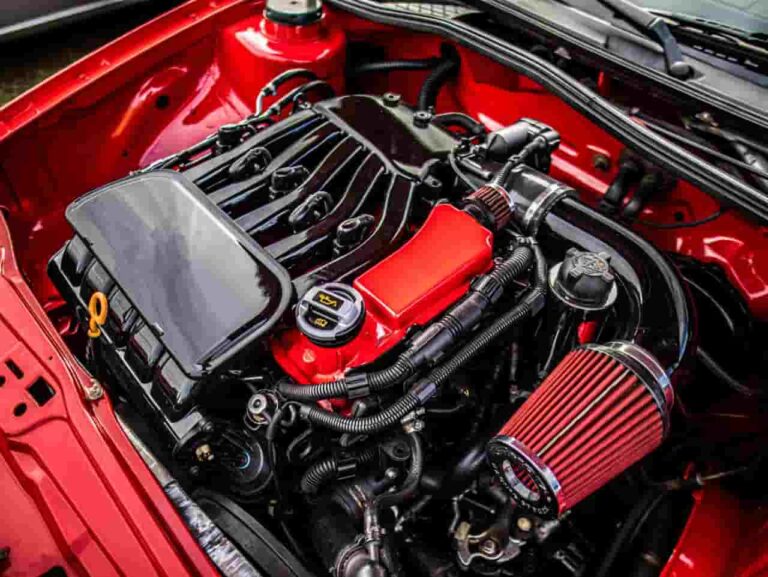
Your vehicle’s engine needs a constant supply of clean air to operate efficiently. The engine air filter prevents dust, dirt, leaves, and other debris from entering the engine, ensuring proper airflow for combustion. Over time, the air filter becomes clogged, restricting airflow and reducing engine performance. Learning how to replace an air filter is one of the easiest and most affordable maintenance tasks you can perform at home.
Replacing the engine air filter takes only a few minutes and requires minimal tools. Regular replacement can improve fuel efficiency, enhance engine performance, and help extend the life of your vehicle.
Why the Engine Air Filter Is Important
The engine air filter serves as the first line of defense against airborne contaminants. Without a clean filter, dirt and debris can enter the engine, causing increased wear on internal components.
A clean air filter helps maintain the correct air-to-fuel ratio, allowing the engine to burn fuel efficiently. This improves acceleration, reduces emissions, and supports smoother engine operation.
Replacing the air filter at the recommended intervals helps protect your engine while maintaining optimal performance.
Signs Your Air Filter Needs Replacement
Several symptoms may indicate your engine air filter is dirty or clogged. Common warning signs include:
-
Reduced fuel economy
-
Sluggish acceleration
-
Rough engine idle
-
Decreased engine power
-
Black smoke from the exhaust
-
Unusual engine noises
-
Dirty or visibly clogged air filter
Even if you do not notice these symptoms, inspecting the air filter regularly helps prevent performance problems.
Tools You Will Need
Most vehicles require very few tools to replace the air filter. Gather the following items before starting:
-
Replacement engine air filter
-
Screwdriver if required
-
Clean microfiber cloth
-
Vacuum cleaner or compressed air for cleaning the air box
-
Vehicle owner’s manual
Always purchase the correct replacement air filter designed for your vehicle’s make, model, and engine.
Step 1: Park the Vehicle Safely
Park your vehicle on a flat surface and turn off the engine.
Allow the engine to cool before opening the hood.
Engage the parking brake to ensure the vehicle remains secure during maintenance.
Step 2: Locate the Air Filter Housing
Open the hood and locate the engine air filter housing.
The housing is usually a black plastic box connected to a large air intake hose leading toward the engine.
Some air filter housings are secured with clips, while others use screws or bolts.
If you have difficulty locating the air filter, consult your owner’s manual.
Also Read: Cybersecurity Risk Assessment – Guide
Step 3: Open the Air Filter Housing
Release the retaining clips or remove the screws holding the air filter housing cover in place.
Lift the cover carefully without damaging attached hoses or sensors.
Take note of how the existing air filter is positioned before removing it.
Installing the new filter in the same orientation ensures proper airflow.
Step 4: Remove the Old Air Filter
Lift the old air filter out of the housing.
Inspect it for dirt, leaves, insects, and other debris.
A heavily clogged filter often appears dark, dusty, or filled with contaminants.
Compare the old filter with the new one to confirm they are identical in size and shape.
Using the wrong filter can reduce engine performance or allow dirt to bypass the filtration system.
Step 5: Clean the Air Filter Housing
Before installing the new filter, clean the inside of the air filter housing.
Use a clean cloth, vacuum cleaner, or compressed air to remove loose dirt and debris.
Be careful not to push contaminants into the intake tube or engine.
Cleaning the housing helps maximize the effectiveness of the new air filter.
Step 6: Install the New Air Filter
Place the new air filter into the housing exactly as the old one was installed.
Ensure the filter sits flat and seals properly around the edges.
An improperly installed filter can allow unfiltered air to enter the engine.
Double-check that the filter is fully seated before closing the housing.
Step 7: Reassemble the Air Filter Housing
Replace the air filter housing cover.
Secure all retaining clips, screws, or bolts tightly without overtightening.
Inspect the surrounding air intake hoses to ensure they remain securely connected.
Loose air intake connections can affect engine performance and trigger warning lights.
Step 8: Start the Engine
Close the hood and start the engine.
Listen for smooth engine operation and verify there are no unusual noises.
Take the vehicle for a short drive to confirm normal acceleration and throttle response.
Although improvements may be subtle, replacing a dirty air filter often restores proper airflow and enhances engine efficiency.
How Often Should You Replace an Air Filter?
Most manufacturers recommend replacing the engine air filter every 12,000 to 30,000 miles, depending on driving conditions.
Vehicles driven on dusty roads, gravel roads, or in heavy traffic may require more frequent replacement.
Inspect the air filter during every oil change to determine whether it needs replacement earlier than scheduled.
Following your owner’s manual maintenance schedule helps keep the engine performing efficiently.
Common Mistakes to Avoid
Avoid installing the wrong air filter size.
Never operate the engine without an air filter installed.
Do not attempt to clean disposable paper air filters with water.
Ensure the air filter housing is completely closed after installation.
Ignoring a dirty air filter for too long can reduce fuel economy and increase engine wear.
Benefits of Regular Air Filter Replacement
Replacing your engine air filter provides several long-term benefits. Improved airflow supports better combustion, which can enhance engine performance and fuel efficiency. A clean filter also reduces strain on the engine, helping internal components last longer.
Routine air filter replacement may contribute to lower emissions, smoother acceleration, and improved overall reliability. Since air filters are inexpensive and easy to replace, they offer one of the best values in preventive vehicle maintenance.
Conclusion
Learning how to replace an air filter is a simple maintenance task that every vehicle owner should know. With only a few basic tools and a replacement filter, you can complete the job in less than 20 minutes while helping protect your engine from harmful contaminants.
Regular air filter replacement improves engine performance, supports better fuel economy, and extends engine life. By following your vehicle manufacturer’s recommended maintenance schedule and inspecting the air filter regularly, you can keep your vehicle running efficiently and avoid unnecessary repairs.
