
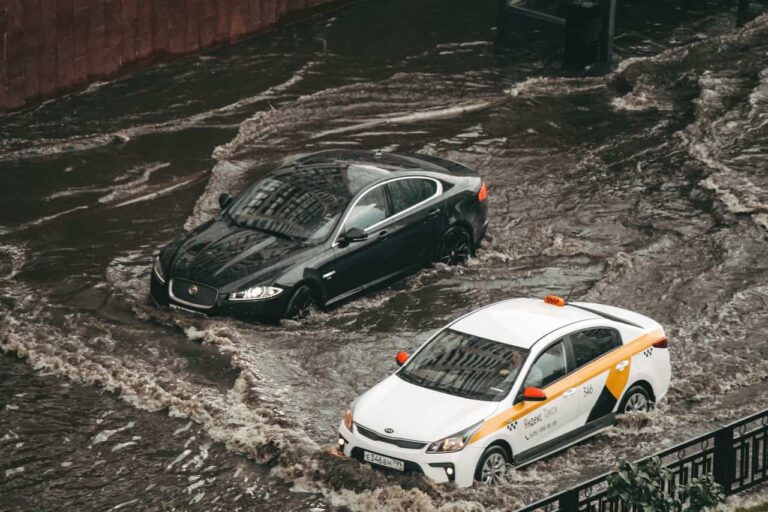
Flooding is one of the most common and costly natural disasters worldwide. Whether caused by heavy rainfall, hurricanes, storm surges, overflowing rivers, or rapid snowmelt, floods can cause extensive damage to homes, businesses, and personal belongings. Unfortunately, many property owners mistakenly believe that standard homeowners insurance covers flood-related damage. In most cases, it does not.
Flood insurance provides specialized protection designed to help property owners recover financially after flood damage occurs. Understanding how flood insurance coverage works, what it includes, and its limitations can help you make informed decisions about protecting your property and assets. This guide explains everything you need to know about flood insurance coverage and why it may be an important part of your financial security plan.
What Is Flood Insurance?
Flood insurance is a separate insurance policy that covers losses caused by flooding. It helps pay for repairs to buildings and replacement of damaged belongings when floodwaters enter and damage a property.
A flood is generally defined as an overflow of water affecting normally dry land and impacting multiple properties or a significant area. Flood insurance is specifically designed to address damage resulting from these events.
Without flood insurance, homeowners and renters may have to pay out of pocket for expensive repairs and replacements following a flood.
Why Flood Insurance Is Important
Many people assume that flood damage is covered under their homeowners insurance policy. However, standard homeowners insurance policies typically exclude flood-related losses.
Flood insurance provides financial protection against events that could otherwise result in devastating expenses, including:
- Structural damage to homes
- Damaged flooring and walls
- Electrical and plumbing system repairs
- Replacement of major appliances
- Loss of personal belongings
- Cleanup and restoration costs
Even a few inches of floodwater can cause thousands of dollars in damage, making flood insurance a valuable safeguard for property owners.
Who Needs Flood Insurance?
Flood insurance is often associated with coastal regions and high-risk flood zones, but flooding can occur almost anywhere.
Property owners who should consider flood insurance include:
- Homeowners in flood-prone areas
- Homeowners near rivers, lakes, or streams
- Residents in coastal communities
- Property owners in regions with heavy rainfall
- Renters seeking protection for personal belongings
- Business owners protecting commercial property
In fact, many flood insurance claims come from areas considered low to moderate flood risk, highlighting the unpredictable nature of flooding events.
What Does Flood Insurance Cover?
Flood insurance generally consists of two primary categories: building coverage and contents coverage.
Building Coverage
Building coverage protects the physical structure of the property and certain permanently installed components.
Covered items often include:
- Foundation walls
- Electrical systems
- Plumbing systems
- Heating and cooling equipment
- Water heaters
- Built-in appliances
- Cabinets and permanently installed fixtures
- Flooring materials
- Detached garages in some cases
This coverage helps restore the structure after flood-related damage.
Contents Coverage
Contents coverage protects personal belongings located inside the insured property.
Commonly covered items include:
- Furniture
- Clothing
- Electronics
- Personal valuables
- Portable appliances
- Curtains and rugs
- Household items
Contents coverage is often purchased separately and can provide critical financial assistance when replacing damaged possessions.
What Flood Insurance Typically Does Not Cover
While flood insurance offers valuable protection, it does not cover every type of loss.
Common exclusions may include:
Temporary Living Expenses
Flood insurance generally does not pay for hotel stays, rental housing, or other additional living expenses incurred while repairs are being completed.
Also Read: Semi Truck Financing Bad Credit
Outdoor Property
Items located outside the home may not be covered, including:
- Landscaping
- Trees and shrubs
- Decks and patios
- Swimming pools
- Fences
Vehicles
Damage to automobiles is usually covered under comprehensive auto insurance rather than flood insurance.
Financial Losses
Flood insurance does not typically cover lost income, business interruptions, or market value reductions caused by flooding.
Reviewing policy exclusions carefully helps prevent misunderstandings when filing a claim.
How Flood Insurance Coverage Limits Work
Flood insurance policies generally include maximum coverage limits for both building and contents protection.
Coverage limits vary depending on:
- Property type
- Policy provider
- Building value
- Coverage selected
Property owners should assess the replacement cost of their home and belongings to determine whether available coverage limits adequately protect their financial interests.
Underinsuring a property could leave significant expenses uncovered following a major flood event.
Factors That Affect Flood Insurance Costs
Several factors influence the cost of flood insurance premiums.
Flood Risk Level
Properties located in high-risk flood zones typically face higher premiums due to the increased likelihood of flooding.
Property Location
Geographic location plays a significant role in determining insurance rates. Areas with a history of flooding often have higher premiums.
Elevation
Homes built above expected flood levels may qualify for lower premiums because they are less vulnerable to flood damage.
Building Characteristics
Factors such as age, construction type, foundation design, and number of floors can affect insurance pricing.
Coverage Amount
Higher coverage limits generally result in higher premiums, as insurers assume greater financial responsibility.
Benefits of Flood Insurance Coverage
Purchasing flood insurance offers several important advantages.
Financial Protection
Flood repairs can cost tens of thousands of dollars or more. Insurance helps reduce the financial burden associated with recovery.
Faster Recovery
Insurance proceeds can help property owners begin repairs and replace belongings more quickly after a flood.
Peace of Mind
Knowing that your home and possessions are protected can provide reassurance during severe weather seasons.
Mortgage Compliance
Some mortgage lenders require flood insurance for properties located in designated high-risk flood zones.
Asset Preservation
Flood insurance helps protect one of your largest investments—your home—from significant financial loss.
Tips for Choosing the Right Flood Insurance Policy
Selecting appropriate flood insurance coverage requires careful evaluation.
Consider the following steps:
- Assess your property’s flood risk
- Estimate rebuilding costs
- Calculate the value of personal belongings
- Review coverage limits carefully
- Understand exclusions and waiting periods
- Compare multiple insurance providers
- Update coverage as property values change
Proper planning can help ensure adequate protection when disaster strikes.
Common Mistakes to Avoid
Many property owners make mistakes when evaluating flood insurance needs.
Common errors include:
- Assuming homeowners insurance covers floods
- Purchasing insufficient coverage
- Ignoring contents coverage
- Waiting until flood season to buy a policy
- Failing to review policy updates regularly
Avoiding these mistakes can significantly improve your financial preparedness.
Conclusion
Flood insurance coverage is an essential form of protection for homeowners, renters, and business owners who want to safeguard their property from one of nature’s most destructive disasters. Since standard homeowners insurance typically excludes flood damage, a separate flood insurance policy may be necessary to ensure comprehensive financial protection.
By understanding what flood insurance covers, recognizing its limitations, evaluating coverage needs, and comparing policy options, property owners can make informed decisions that reduce financial risk. Whether you live in a high-risk flood zone or an area with moderate flood potential, flood insurance can provide valuable peace of mind and help you recover more quickly when unexpected flooding occurs.
